
Fitness technology is everywhere. Smartwatches track heart rate, sleep, steps, calories, and stress. Smart scales estimate body fat and muscle mass. Apps promise personalised workouts, recovery scores, and even AI coaching. For many people in Singapore, especially busy professionals, this flood of data creates confusion rather than clarity.
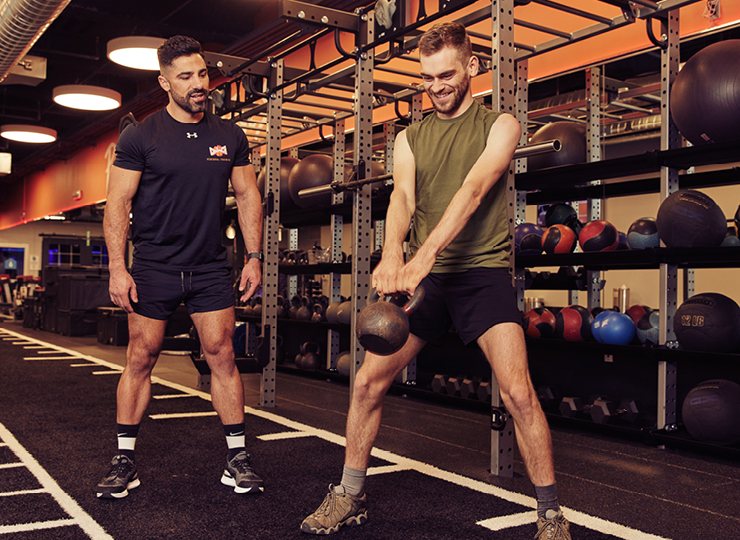
Working with a personal fitness trainer singapore helps turn fitness technology into a practical tool instead of a source of stress. Data should support better decisions, not replace human judgement or common sense. This article explains how technology can improve training outcomes when used selectively, intelligently, and with proper coaching guidance.
Why More Data Does Not Automatically Mean Better Results
Many people assume that tracking everything leads to faster progress. In reality, too much data often creates anxiety, second-guessing, and inconsistent training decisions.
Common issues caused by overtracking include:
-
Obsessing over daily calorie burn estimates
-
Adjusting workouts based on single bad sleep scores
-
Skipping sessions due to low readiness numbers
-
Feeling discouraged by normal daily fluctuations
-
Confusing correlation with causation
Effective training uses trends over time, not daily noise.
The Role of Wearables in Modern Training
Wearables can provide useful insights when interpreted correctly. They offer objective feedback that complements subjective feelings like fatigue and motivation.
Useful wearable metrics include:
-
Resting heart rate trends
-
Weekly step averages
-
General sleep duration patterns
-
Exercise heart rate zones during cardio
-
Recovery trends over several days
These metrics help guide adjustments without dictating every decision.
Heart Rate Zones Without Obsession
Heart rate data is valuable for cardiovascular training but becomes counterproductive when treated rigidly. Daily heart rate can fluctuate due to stress, hydration, caffeine, and sleep.
Smart heart rate use focuses on:
-
Broad intensity ranges rather than exact numbers
-
Comparing effort levels across similar sessions
-
Observing recovery speed after exercise
-
Using perceived exertion alongside data
Heart rate guides effort, it does not control it.
Sleep Tracking as a Long-Term Signal
Sleep data is one of the most misunderstood metrics. Wearables estimate sleep stages, but these are not perfectly accurate.
What matters more than stages is consistency:
-
Average sleep duration across weeks
-
Regular sleep and wake times
-
Trends in night-to-night disruption
-
How rested you feel upon waking
Training adjustments are best made when poor sleep becomes a pattern, not after a single restless night.
Step Counts and Daily Movement Reality
Step counts provide a simple indicator of daily activity, especially for office workers in Singapore. However, rigid step targets can become unrealistic during busy periods.
Practical step use includes:
-
Setting flexible weekly averages
-
Increasing movement gradually
-
Using walking as active recovery
-
Avoiding guilt on low-step days
Steps support health but do not replace structured training.
Smart Scales and Body Composition Data
Smart scales attempt to estimate body fat, muscle mass, and water levels. These readings fluctuate daily based on hydration, food intake, and timing.
More reliable ways to use scale data include:
-
Weighing at the same time consistently
-
Tracking weekly averages instead of daily numbers
-
Combining scale data with waist measurements
-
Comparing trends rather than absolute values
The scale provides context, not judgement.
HRV and Readiness Scores Explained Simply
Heart rate variability, often called HRV, reflects nervous system balance. Many people misunderstand it and react emotionally to daily changes.
HRV is best used to:
-
Identify prolonged fatigue trends
-
Adjust intensity during high-stress periods
-
Support recovery planning
-
Encourage better sleep and stress habits
Daily fluctuations are normal and should not dictate skipping training unnecessarily.
Technology Supporting Strength Training
Strength training benefits less from constant data tracking but still gains from selective use of technology.
Helpful tools include:
-
Simple training logs for load progression
-
Video recordings to assess technique
-
Timer apps for controlled rest periods
-
Notes on perceived difficulty and recovery
Strength progress is measured through consistency and progression, not devices alone.
Avoiding the Calorie Burn Trap
Calorie burn estimates are among the least accurate metrics provided by wearables. They often overestimate expenditure and encourage compensatory eating.
Smarter approaches include:
-
Using calories as a rough reference only
-
Prioritising performance and recovery markers
-
Aligning nutrition with training demands
-
Avoiding food decisions based on single workouts
Energy balance is influenced by habits, not daily numbers.
The Human Element Technology Cannot Replace
Technology cannot observe movement quality, emotional state, or context. It cannot adjust sessions based on posture, joint health, or personal stress.
A coach provides:
-
Movement assessment and correction
-
Contextual understanding of lifestyle factors
-
Emotional support and motivation
-
Programme adjustments based on real feedback
Human judgement bridges the gap between data and reality.
Integrating Technology Without Mental Overload
The most effective approach is selective tracking. Not every metric needs attention at all times.
A balanced system includes:
-
Choosing two or three core metrics
-
Reviewing data weekly rather than daily
-
Using subjective feedback alongside numbers
-
Letting training lead data interpretation, not the reverse
Simplicity improves consistency.
Training Environments That Support Smart Technology Use
Many people struggle to interpret data alone. Professional environments provide guidance on what matters and what can be ignored.
Structured facilities such as True Fitness Singapore combine access to equipment, coaching expertise, and practical use of technology to support progress without overwhelm.
Environment shapes behaviour more than devices.
Real-Life FAQs on Fitness Technology and Personal Training
Should I stop training if my wearable says I am not recovered?
Not necessarily. One low score does not require rest. Trends and how you feel matter more.
Are smartwatches accurate for calorie tracking?
They provide estimates only. Use them as references, not exact numbers.
Do I need a wearable to make progress?
No. Wearables are optional tools, not requirements for effective training.
Why does my heart rate vary so much day to day?
Stress, hydration, sleep, caffeine, and heat all influence heart rate. Variation is normal.
Is HRV useful for beginners?
It can be, but beginners benefit more from consistency and basic recovery habits.
How often should I review my data?
Weekly reviews are usually more meaningful than daily checks.
Can technology replace a personal trainer?
No. Technology provides information, not coaching judgement or movement feedback.
What is the best metric to focus on long term?
Consistency in training and recovery habits matters more than any single metric.
Technology should make training clearer, not more complicated. When guided by human expertise and used with restraint, data becomes a powerful ally rather than a distraction.