
Introduction
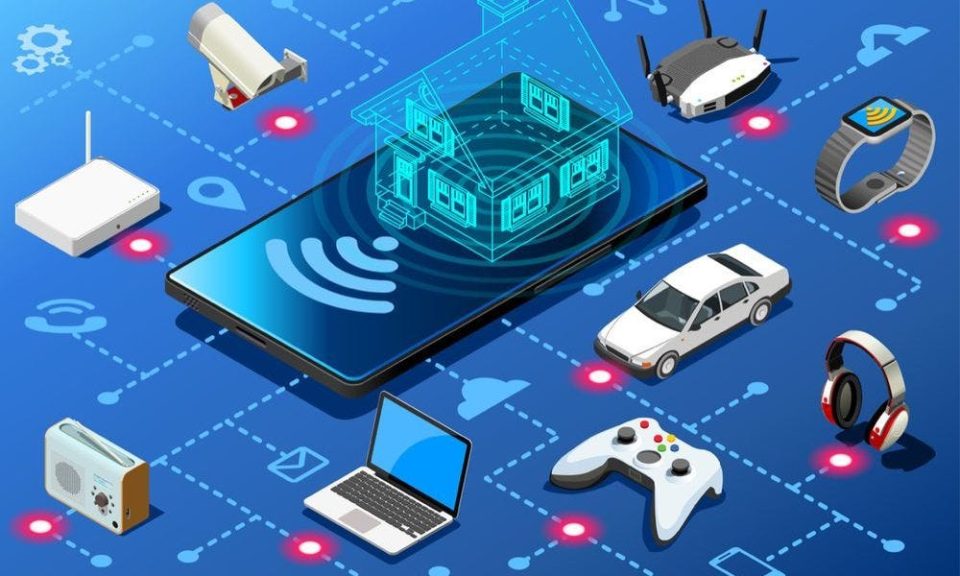
The surge of Internet of Things (IoT) technologies is reshaping Business IT by connecting devices, systems, and data streams across entire organizations. As companies seek smarter and more efficient operations, IoT has become a central driver of digital transformation. By enabling continuous data exchange and automation, it supports scalable IT infrastructures and more intelligent decision-making.
Professional it support in birmingham is ideal for small and medium businesses seeking cost-effective technology management. Outsourced IT teams provide expert guidance, scalable solutions, and ongoing support, eliminating the need for in-house staff while maintaining high performance and security standards.
What Is Driving the Rise of IoT in Business IT?
Growing Need for Real-Time Insights
Modern businesses operate in environments where immediate information is crucial. IoT devices collect real-time metrics from machines, processes, and users, allowing companies to identify issues quickly and respond with agility.
Rapid Advancements in Connectivity
With improvements in 5G, Wi-Fi 6, LPWAN technologies, and edge computing, businesses can now deploy IoT systems with greater reliability and lower latency. These advancements make large-scale IoT networks more practical and affordable.
Automation and Optimization Goals
Organizations turn to IoT to automate workflows and eliminate inefficiencies. From predictive maintenance to automated inventory tracking, IoT helps reduce human error and operational costs.
Key Business Benefits of IoT
Operational Efficiency Improvements
IoT sensors monitor equipment usage, environmental conditions, and workflow performance. This data helps businesses streamline operations and reduce wasted resources.
Predictive Maintenance Capabilities
IoT devices detect early signs of equipment wear and performance decline. By addressing issues before they escalate, companies avoid unplanned downtime and extend asset lifespans.
Enhanced Customer Experience
Connected devices allow businesses to offer personalized services and faster response times. Retailers, hospitality brands, and service-based companies use IoT insights to better understand customer preferences.
Smarter Decision-Making Through Analytics
IoT systems generate detailed datasets that support advanced analytics and forecasting. When paired with AI, these insights help business leaders make more informed strategic decisions.
Common Applications of IoT in Business IT
Smart Manufacturing
Factories utilize IoT-enabled robots, automation systems, and connected machinery to improve precision, lower costs, and enhance product quality.
Supply Chain and Logistics
IoT-powered tracking systems provide real-time updates on shipment status, fleet conditions, and warehouse operations. This visibility reduces delays and strengthens supply chain reliability.
Smart Buildings and Facility Management
Connected lighting, HVAC controls, and security systems optimize energy usage and enhance workplace safety while lowering operational expenses.
Retail and Customer Engagement
Retailers employ IoT solutions like smart shelves, automated checkouts, and customer analytics tools to streamline operations and elevate the shopping experience.
Healthcare and Wearable Technology
IoT medical devices monitor patient vitals, track hospital equipment, and support remote care. These tools improve accuracy, response times, and overall patient outcomes.
Challenges of IoT Adoption in Business IT
Security and Privacy Concerns
As the number of connected devices increases, so does the potential attack surface. Businesses must implement strong encryption, continuous monitoring, and secure network architectures.
Integration with Legacy Systems
Many existing IT infrastructures were not designed for IoT connectivity. Integrating new technologies may require system upgrades, middleware, or API-driven solutions.
Managing Massive Data Volumes
IoT environments generate enormous amounts of data. Without scalable storage and analytics platforms, businesses may struggle to extract meaningful insights.
High Initial Investment
Deploying IoT systems often requires upfront expenses for sensors, connectivity hardware, and platforms. However, long-term efficiency gains typically offset these costs.
The Future of IoT in Business IT
Growth of Edge Computing
By processing data near its source, edge computing reduces latency and supports mission-critical applications like autonomous systems and industrial robotics.
AI-Driven Automation
The combination of IoT and artificial intelligence will produce more adaptive, self-optimizing technologies capable of making real-time decisions without human intervention.
Remote Operations and Virtual Management
IoT enables organizations to monitor and manage assets across multiple locations remotely, making hybrid and remote work models more efficient.
Sustainability and Energy Optimization
IoT technologies are becoming essential in meeting sustainability goals by reducing energy usage, tracking emissions, and improving resource efficiency.
FAQs
1. What makes IoT important for modern business operations?
It provides real-time insights, automates tasks, and improves overall efficiency, enabling companies to stay competitive in fast-changing markets.
2. Are IoT systems difficult to implement?
While implementation can be complex, proper planning, integration tools, and scalable infrastructure make deployment manageable.
3. What security measures are essential for IoT networks?
Critical measures include device authentication, encryption, secure firmware updates, and continuous network monitoring.
4. How does IoT contribute to cost savings?
Through automation, predictive maintenance, and energy optimization, IoT helps reduce operational costs significantly.
5. Can small businesses benefit from IoT?
Yes. IoT offers affordable tools for inventory management, customer engagement, workflow automation, and energy monitoring.
6. Does IoT require cloud computing?
Cloud platforms are commonly used for storing and analyzing IoT data, but businesses can also leverage edge computing for local processing.
7. Will IoT continue to grow in the future?
Absolutely. As connectivity technologies evolve, IoT adoption will expand across industries, powering smarter and more autonomous digital ecosystems.