
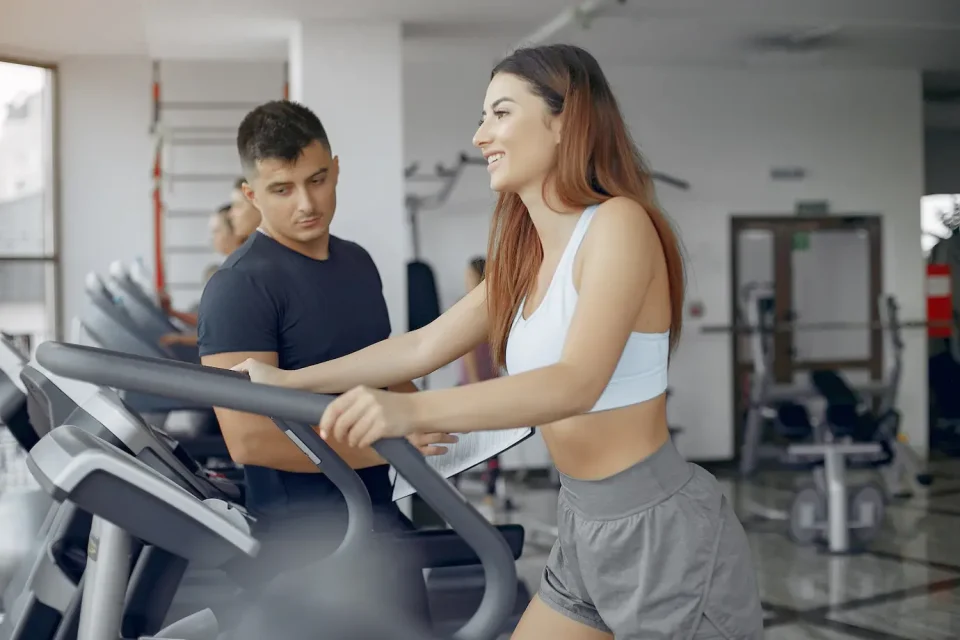
Wearable technology has become a major part of modern fitness. From smartwatches to chest straps and bar-velocity trackers, athletes today generate vast amounts of training data. The challenge is that many devices use different communication protocols and apps, which makes integration confusing. A personal gym trainer Singapore who understands sensor interoperability can help clients streamline this process, ensuring accurate feedback during training without wasting time on tech troubleshooting.
Beyond the role of trainers, facilities like TFX Singapore provide athletes with advanced equipment that supports multiple connectivity standards, making it easier to capture reliable data in one place.
The Language Of Sensors: Bluetooth LE And ANT+
Most modern fitness devices communicate via two primary protocols:
-
Bluetooth Low Energy (BLE): Found in phones, tablets, and smartwatches. Great for one-to-one connections but can struggle with multiple sensors at once.
-
ANT+: Popular in chest straps, cycling computers, and cadence sensors. Known for stable multi-sensor connectivity, though not always supported by phones.
A trainer familiar with these systems ensures that clients select sensors compatible with their training tools.
Pairing Hierarchies And Avoiding Dropouts
One common frustration is data dropout, where heart rate or cadence suddenly disappears mid-session. Trainers resolve this by teaching clients about pairing hierarchies:
-
Ensuring chest straps connect directly to apps instead of via watch relays
-
Limiting Bluetooth pairings to reduce interference
-
Testing multi-sensor connections before high-intensity workouts
These steps prevent technology from derailing training focus.
Validating Data Accuracy Indoors
In Singapore’s humid climate, optical sensors on wrists often lose accuracy due to sweat and motion. Trainers advise when to switch to chest straps for heart rate, or to power meters for cycling. Validation is key:
-
Comparing two sensors simultaneously to confirm consistency
-
Recording baseline sessions to understand device quirks
-
Checking against perceived exertion to prevent over-reliance on numbers
This ensures data is reliable for both performance tracking and recovery planning.
Humidity And Optical Sensors
Humidity is an overlooked factor in wearables. Sweat creates noise for optical signals, especially during high-intensity sessions. Trainers mitigate this by recommending:
-
Tightening straps without cutting circulation
-
Using chest straps for intervals or humid sessions
-
Drying sensors during rest breaks to restore accuracy
These small adjustments improve reliability significantly.
Data Hygiene And Export Standards
Trainers not only interpret data but also help athletes maintain clean datasets. That means:
-
Using consistent device placement
-
Recording sessions in the same app for easy comparison
-
Exporting files in open formats (CSV or FIT) for long-term tracking
-
Backing up progress monthly to avoid data loss
Clean, structured data allows trainers to identify patterns and adjust programming effectively.
Building A Simple Dashboard
For many clients, too much tech leads to confusion. Trainers simplify by building dashboards that bring together:
-
Heart rate
-
Cadence
-
Bar speed for lifting
-
Recovery scores
By using open-source or multi-platform tools, trainers create single dashboards that integrate all key metrics without requiring multiple logins or apps.
FAQ
Q. Why does my smartwatch heart rate spike randomly during intervals?
Ans. Optical sensors often misread during motion and heavy sweating. Trainers usually recommend chest straps for accuracy in high-intensity sessions.
Q. Can I connect multiple sensors to one phone or tablet?
Ans. Yes, but it depends on the protocol. ANT+ handles multiple sensors better than Bluetooth, though some apps support multi-channel BLE connections.
Q. Is it worth investing in a cycling power meter if I only train recreationally?
Ans. For casual training, it may not be essential. Trainers often suggest heart-rate monitors first, then power meters if clients pursue structured endurance goals.
Q. How do trainers use bar-speed sensors in strength training?
Ans. They track velocity to ensure lifts are explosive and within target zones. This is especially useful for athletes balancing power and endurance.
Q. Will Singapore’s humidity damage my sensors?
Ans. Not usually, but sweat can reduce accuracy. Trainers teach maintenance routines such as drying straps, cleaning sensors, and storing them properly.
Q. Do I need multiple apps for different sensors?
Ans. Not always. Trainers help set up central apps or dashboards that sync multiple devices into one platform, reducing complexity.